
How often should you service air conditioning in the Caribbean?
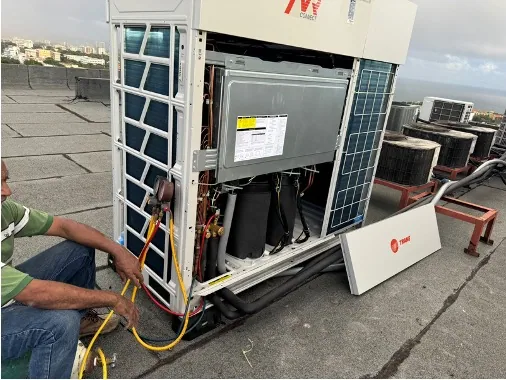
In the Caribbean, air conditioners work long hours and face dust, humidity and, near the sea, salt air. The right schedule depends on usage, environment and manufacturer instructions; waiting until cooling fails often costs more than prevention.

Suggested schedule by usage
Check filters monthly and clean them when dirty, following the unit's manual. For a frequently used home system, schedule a professional inspection roughly every six months; lighter use may call for an annual visit. Businesses operating daily or sites exposed to dust or salt air may need service every three to six months. These are guidelines, not a substitute for the manual or a site assessment.
Explore maintenance plansWhat a useful inspection covers
Beyond filter cleaning, a technician can inspect coils, drain pan and line, fans, electrical connections and cooling performance. A blocked drain can cause leaks and moisture; a dirty coil reduces heat transfer. Refrigerant pressure should be evaluated when there are signs of a problem: refrigerant should not be consumed like fuel, and topping it up without finding a leak does not fix the cause.
Extra care near the coast
- Watch for corrosion and salt buildup on outdoor equipment.
- Keep airflow clear around the condenser.
- Follow the manufacturer's approved cleaning procedure.
Don't wait for the next visit if symptoms appear
If you notice persistent odors, leaks, unusual noises or a major drop in cooling, turn the unit off if water is near electrical connections or there is an electrical hazard, and arrange an inspection. A preventive schedule does not replace repair when a fault is already present.
Request a technical inspectionAdjust the schedule using records, not dates alone
Record which unit was inspected, its location, work performed, symptoms observed and unresolved recommendations. Comparing visits can reveal filters that soil early, drains that block again or recurring faults. Review frequency against the manual and actual use: a home schedule should not automatically become an office or tower schedule.
If equipment serves multiple users, agree on who reports faults, who approves work and how planned downtime is communicated. A useful service agreement defines scope and records, not just a number of visits; additional repairs should be assessed and approved separately.
Explore preventive maintenance scope