
How to investigate noise and vibration in residential HVAC
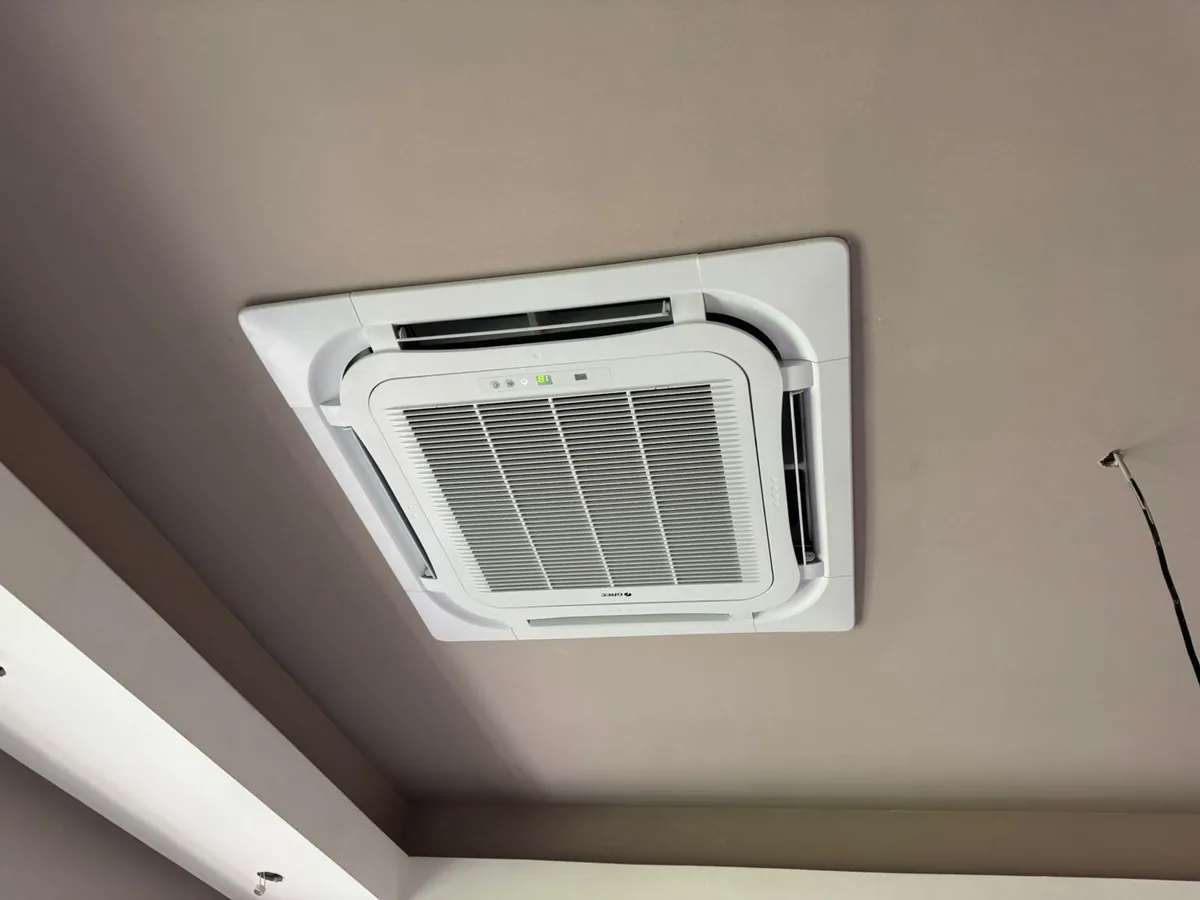
A hum, rattle or vibration can come from different components or from sound traveling through the structure; a symptom alone does not identify the cause. An owner can provide useful information by observing patterns and making access available, but should not open equipment or attempt electrical or mechanical repairs. If there is a burning smell, smoke, sparks or a sudden severe noise, prioritize safety and seek professional help.
Describe the sound and when it occurs
Note whether the sound is a steady tone, intermittent knocking, whistling or vibration felt on a surface. Record the time, operating mode, temperature setting and whether the system had just started, was running or had stopped. This context helps a technician reproduce the situation without turning a single impression into a diagnosis.
If it is safe, record audio from the usual listening distance and note which room makes it easiest to hear. Do not remove grilles or put hands or objects near fans. A recording can guide a conversation, but it cannot replace a site visit: a phone alone cannot establish the source, actual sound level or equipment condition.
Observations worth recording
- When it starts and stops, and whether it coincides with start-up, shutdown or a mode change.
- Which rooms and surfaces seem to carry it, without dismantling or touching components.
- Whether it repeats under particular operating conditions or after a recent change in the space.
Compare patterns without trying to locate the fault yourself
Observe whether the sound seems close to an indoor unit, near the outdoor unit, at a grille or in a wall. Describe what you hear, not a guessed cause: “the ceiling panel vibrates while the system runs” is more useful than declaring that the fan is unbalanced. Noise can travel, so where it is heard is not always where it begins.
Only if operation appears normal and there are no warning signs, you may briefly compare the sound in ordinary modes available on the controller. Do not force repeated cycles, change protective settings or manipulate the thermostat to provoke a fault. If the noise rises quickly, strong vibration appears or the system stops operating normally, switch it off using the user control and contact a service professional.
Questions to narrow down the pattern
- Is it heard only when air is moving, or also when the system appears to be stopped?
- Does it change with the room, an open door or window, or the point in the cycle?
- Is there a recent change the technician should know about, such as renovation work or an earlier service visit?
Support a safe inspection and vibration isolation
Before the visit, clear ordinary access to units, grilles and access panels; mention if entry to another property or a shared area must be arranged. Share your notes, photos of the surroundings and model information if it is available in the documents, without opening enclosures to look for it. The technician can determine whether mounting, supports, fasteners, connections, airflow, panels or operating conditions need review.
Vibration isolation depends on the equipment, its supports and the structure to which it is attached. Do not place shims, foam or objects on the unit, tighten screws or change supports: an unassessed intervention can affect stability, drainage, warranty or safety. Ask for the findings and recommended actions to be explained before authorizing additional work.
Prepare access and information
- Keep access panels and planned work areas clear, without removing panels.
- Share any access, schedule or noise restrictions that apply to the apartment or building.
- Ask for an explanation of findings, options, risks and any need for follow-up.
Know when to shut the system down and seek help
Switch the system off using its user control if there is smoke, a burning smell, sparks, severe scraping, sudden heavy knocking, water near electrical components or vibration that appears to compromise a mounting. If there is immediate danger, move away and contact emergency services or building management as appropriate. Do not open the equipment or repeatedly reset a protective device.
For new or persistent noise without emergency warning signs, request an inspection and describe the pattern you observed. If the technician advises keeping the unit out of service until it is assessed, follow that advice and ask how to maintain safe conditions in the home. Cause and urgency should be determined by a qualified assessment, not an online list of sounds.
Stop operation and seek guidance if you notice
- Smoke, a burning smell, sparks or signs of overheating.
- Severe vibration, sudden knocking or persistent scraping that was not part of normal operation.
- Water where it could reach electrical connections, or any condition that appears unsafe.
Plan comfort for your villa or apartment
Connect noise, zoning, humidity and finish decisions with a property assessment. Maintenance access should be part of the design, not an afterthought once ceilings are closed.
HVAC installation for villas and apartmentsDocumented projects
- Las Terrenas Villas
Integrated climate control with ducts and invisible slot diffusers. View the photographs and documented scope.
Share drawings, location, planned finishes and your priorities for noise, zoning and maintenance.
Request a technical evaluation