
Planning Air Conditioning for Villas in Cap Cana
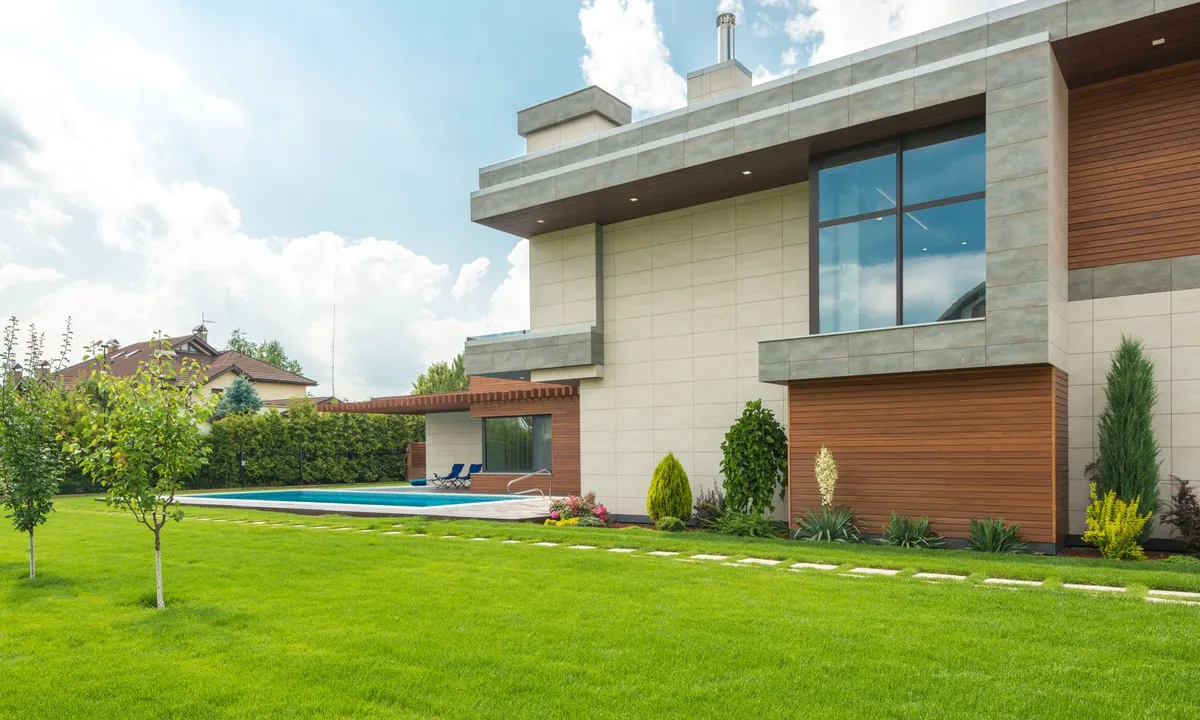
Every villa needs a system selected for its own plans, construction, orientation, occupancy and operating schedule. In a home with several bedrooms, open living areas or periods of intermittent use, planning should balance comfort by space with architectural integration and future access to equipment. This guide is for early project planning; it is not evidence of a Mecatecnia installation in Cap Cana. Mecatecnia's published portfolio does not identify a project at this location.
Plan zones around how the home is used
A double-height living room, a bedroom that is often closed and a kitchen do not necessarily have the same heat loads or operating hours. Start by noting which rooms are occupied together, which need independent control, how doors are used and where solar gains are strongest. That information helps compare a multi-zone system, individual units or another configuration without assuming one technology suits every villa.
Room-by-room loads, the building envelope, ceiling heights, glazing, lighting and equipment all matter; floor area alone is not enough to select capacity. The design also needs to consider thermostat placement, air distribution, electrical requirements and condensate drainage. Confirm the proposed arrangement against the actual plans and site conditions.
Coordinate equipment with the architecture
If the aim is to keep grilles and equipment visually discreet, make that requirement part of the coordinated drawings. Ceiling depths, duct routes, return-air paths, access panels and pipework need to be resolved before finishes close. Concealed systems require space for filters, connections and inspection; hiding components without planning service access can make later care difficult.
Before construction or renovation, identify what will remain visible, where outdoor units could go and how penetrations and drains will be routed. Review those decisions with the architect and other trades. For an existing villa, verify the available ceiling and wall cavities rather than assuming a new layout can use routes from the original design.
Check coastal conditions at the actual site
Do not select equipment based only on the property's general location or distance from the sea. Exposure can vary by facade and candidate equipment position. Consider orientation, wind, shelter, planting, roof and courtyard conditions, observed moisture or spray, airflow clearance, noise and access. Ask the equipment professional to check manufacturer guidance for the specific model and proposed installation environment.
Materials, finishes, location and planned care should be considered together. A coating or product label is not a universal guarantee against corrosion. If any protective treatment is proposed, confirm its compatibility with the equipment, its care requirements and the manufacturer's warranty conditions. The coastal villa planning guide offers further questions for evaluating exposure and equipment locations.
Agree on access and care for a villa with variable occupancy
For a home that is not occupied year-round, agree in advance who can coordinate a visit, arrange property access and receive a report. Any permissions or access procedures need to be confirmed with the owner or property manager; this guide does not imply access arrangements or local service coverage. Document filters, drains, controls and concealed routes, and identify who can approve additional work.
Maintenance tasks and timing should be based on the installed equipment, its condition, use, actual environment and manufacturer instructions. Ask a proposal to state its scope, visit arrangements and any limits. Availability and response arrangements should be confirmed for the particular request rather than assumed.
Frequently asked questions
Is a multi-zone system always the best option for a Cap Cana villa? No. Suitability depends on room loads, layout, simultaneous use, available routes, controls and the maintenance plan. A review of the plans and site conditions is needed to compare multi-zone and individual-unit options.
Can air-conditioning equipment and grilles be fully concealed? Only if the available space supports the required air distribution and the design preserves practical access for inspection and service. Coordinate ceiling depth, return air, filters, drains and access panels with the architect before finishes are finalized.
What should be considered for a villa that is occupied seasonally? Identify who manages the property, coordinates visits, confirms access and receives findings. Agree on operating and maintenance procedures using the equipment manuals and the home's actual use; there is no one schedule or vacant-home setting for every property.
Does Mecatecnia have a documented project in Cap Cana? Yes. Mecatecnia has carried out and completed HVAC work in Cap Cana. Explore our Cap Cana project case study for our local project experience.
Can Mecatecnia assess a villa in Cap Cana? An assessment can be discussed based on the project details and requested scope. Location, access arrangements, availability and any proposed work must be confirmed directly; this page does not represent guaranteed coverage or access.
Related services and guides
- HVAC design and technical drawings — service information; project requirements and scope are confirmed individually.
- Air-conditioning installation — installation service information.
- Wine-cellar climate control — a separate specialty service for a dedicated cellar, not a substitute for planning the home's comfort HVAC.
- How to plan HVAC for a villa near the sea — an English-language guide to exposure, equipment location and service access.
- Las Terrenas villa HVAC reference — a published project in Las Terrenas, Samaná, a different location; it is not evidence of work in Cap Cana.
Request an assessment
For an initial discussion, share available plans, room uses and schedules, proposed finishes, existing equipment details and any site observations about exposure or access. Contact Mecatecnia to discuss whether an assessment and a suitable scope can be arranged.